


DEEP SEA FISHING LURE VS FRESH WATER FISHING LURES
08 Aug
Posted By
0 Comment(s)
42 View(s)
Deep sea (offshore/saltwater) and freshwater fishing lures differ significantly in size, weight, material strength, and design to match vastly different fish species and water conditions. Deep sea lures are massive, heavy, and corrosion-resistant to handle powerful pelagic fish, whereas fresh water lures are smaller and finesse-oriented for targeted structure casting.
Key Differences in Design and Build
- Size and Weight: Deep sea lures are much larger and heavier to sink fast in deep currents or withstand high-speed trolling. Freshwater lures are smaller, lighter, and designed for precise casting in shallow or contained bodies of water.
- Hardware and Corrosion Resistance: Deep sea lures use heavy-duty stainless steel split rings, welded eyes, and strong hooks built to resist saltwater corrosion and immense pulling pressure. Freshwater lures use lighter hooks and hardware that can rust quickly in marine environments.
- Action and Presentation: Deep sea gear relies heavily on erratic motion, bubble trails, and flash (via skirts and metal) to grab attention over wide ocean expanses. Freshwater gear focuses on subtle life-like movements, vibration, and weedless designs to navigate lily pads, rocks, and timber.
Common Types of Lures
- Deep Sea Lures:
- Skirted Trolling Lures: Plastic or rubber skirts with weighted heads that create a heavy bubble trail at high boat speeds.
- Heavy Metal Speed Jigs: Dense metal slugs dropped straight down and ripped upward to target bottom-dwelling or mid-column predators.
- Large Poppers / Stickbaits: Oversized surface plugs meant to throw massive water splashes for giant trevally or tuna.
- Freshwater Lures:
- Soft Plastics (Worms and Craws): Versatile plastics rigged weedless to mimic crawfish or dying baitfish near the bottom.
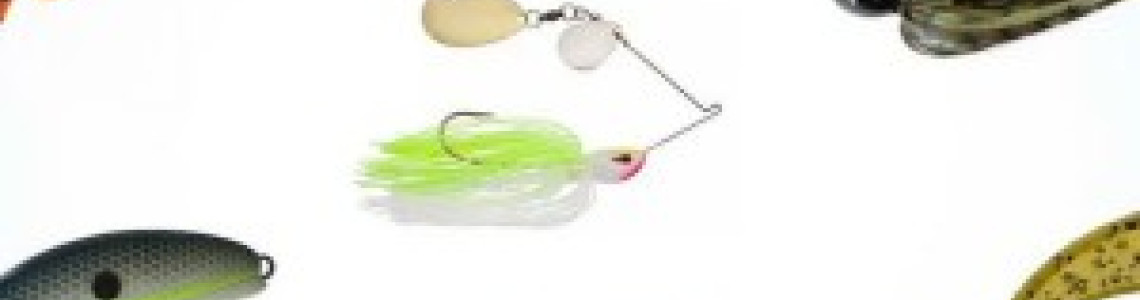
- Spinnerbaits / Crankbaits: Wire-and-blade combinations or hard-bodied swimmers designed to deflect off submerged wood and rocks.
- Topwater Frogs / Plugs: Lightweight surface baits used around shallow weeds for bass and pike.
Leave a Comment